
Young Dawgs prepares high school students for success
Georgia Tech Engineers created an organization to develop standards and production processes designed to mass produce life-saving cell-based therapeutics at affordable prices.

The National Science Foundation (NSF), in consultation with the Department of Education, NASA and the National Oceanic and Atmospheric Administration (NOAA) today announced the appointment of 18 members to a new advisory panel created to encourage ...

Officials with UW-Madison, the biohealth industry and the state’s economic development agency announced the launch of a new biomanufacturing initiative Thursday to enhance opportunities for Wisconsin researchers and entrepreneurs.
UW-Madison’s Forward BIO Institute has been awarded $5 million from the National Institutes of Health for tissue manufacturing.
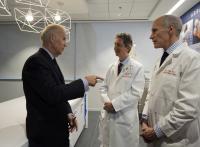
Dr. Carl June, introduced as “the cancer slayer” at an immunotherapy conference here, challenged scientists to be far more aggressive about pushing their perspectives in the White House and Congress.

Randolph Ashton, assistant professor of biomedical engineering, is the new associate director for UW–Madison’s Stem Cell and Regenerative Medicine Center.
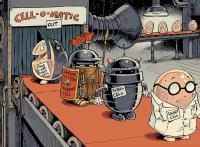
When manipulating the functions of cells, researchers need to take a multidisciplinary approach.
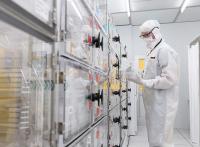
Researchers have demonstrated an integrated technique for monitoring specific biomolecules -- such as growth factors -- that could indicate the health of living cell cultures produced for the burgeoning field of cell-based therapeutics.

Included in Georgia’s 2020 budget signed into law by Governor Brian Kemp on May 10 are funds to support life sciences education in rural school systems through the Georgia Department of Education and the Georgia Youth Science & Technology Centers.
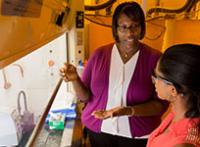
NSF grant to fund study of factors that help underrepresented students
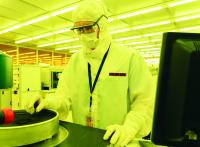
Sponsored by BioProcess International and its sister publication BioProcess Insider, the “Tech of Tomorrow Zone” at Phacilitate 2020 played host to a number of companies showcasing platforms and ideas that they believe can revolutionize cell and gene ther